


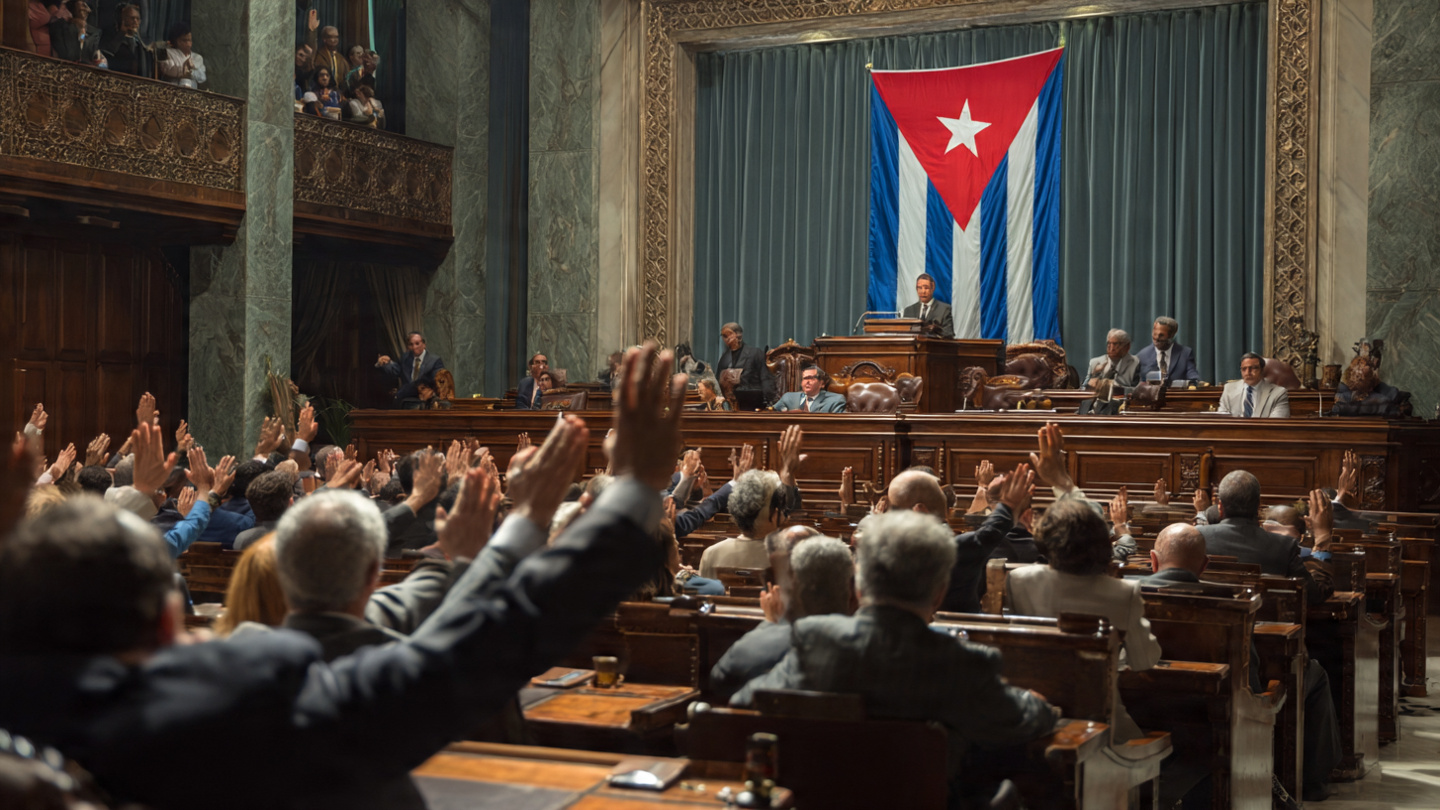
HAVANA – Cuban lawmakers unanimously passed 175+ reforms backed by the Communist Party and Raul Castro, marking the biggest shift from Cuba’s socialist model since 1959.
What changes:
Privatization push: State businesses can become private firms with shares/equity. Private real estate development allowed.
Finance opens up: Private banks permitted. State property can be sold to Cubans, foreigners, and Cubans abroad.
Business rules eased: Firms can hire 100+ employees; entrepreneurs can own multiple companies.
President Miguel Diaz-Canel said Cuba is “not renouncing socialism” but adapting to survive “the longest blockade in history.” PM Manuel Marrero called the market “an instrument for efficient resource allocation.”
Why now: Severe US sanctions, including an oil blockade under Trump, have battered Cuba’s economy and tourism. Diaz-Canel denied the reforms are tied to stalled US talks.
Raul Castro, indicted in the US in May, endorsed the measures in a letter urging quick implementation. Timing and rollout remain unclear.